







Search Results for: Arabic coffee

Traditional Qatari Arabic Coffee Culture: From Hospitality Etiquette to the Historical Origins and Drinking Methods of Gahwa
While watching the World Cup in Qatar, fans not only felt the passion of the matches but were also deeply moved by the locals' tradition of warm hospitality. After every match, Qataris would offer fans traditional snacks, dates, and coffee, showcasing the Gulf region's hospitality culture of "keeping the pot on the fire." This article takes you through the preparation methods of traditional Qatari coffee, the drinking etiquette, and the historical evolution of Arabic coffee from "Qishr" to "Gahwa." From the etiquette of holding the pot in the left hand and passing the cup with the right, to the use of spices such as saffron and cardamom, and to the origin of the word "coffee" from Arabic, it presents a comprehensive picture of the story behind this beverage that carries folk heritage. [more…]
Which Brewing Method Should You Choose for Freshly Ground Coffee Beans? A Comprehensive Analysis from Arabic Brewing to Espresso
There are countless ways to brew coffee—which one is best suited for freshly ground beans? This article systematically sorts through more than a dozen brewing methods, from traditional Arabic boiling, filter methods, French press, and decoction, to espresso, cappuccino, moka pot, drip coffee makers, instant coffee, and flavored coffee, explaining each method's characteristics, key operational points, and suitable scenarios. Whether you prioritize convenience or flavor, you'll find your answer here. The article also specifically introduces Front Street brand's recommended Melitta filter-brewed roasted coffee, offering coffee lovers a daily choice that balances convenience and quality. [more…]

Yirgacheffe Washed vs. Natural Processing Methods: Flavor Profiles, Bean Appearance, Mouthfeel, and Brewing Recommendations
Yirgacheffe, as a representative region for Ethiopian specialty coffee, produces two processing methods—washed and natural—that create completely different flavor profiles. Washed Yirgacheffe is known for its bright citrus acidity, jasmine aroma, and black tea finish, while natural Yirgacheffe presents fermented wine notes, honeyed sweetness, and a full body. This article will comprehensively compare the core differences between these two processing methods, from regional terroir, processing techniques, and grade classification to cup profile differences and optimal brewing parameters, and share the brewing performance of Front Street G1 Yirgacheffe, helping coffee lovers more clearly understand the charm of Yirgacheffe. [more…]
What's the Difference Between Washed and Natural Yirgacheffe? A Comprehensive Comparison from Processing Method to Cup Flavor
Yirgacheffe is both a high-altitude town in Ethiopia and the name of a highly representative producing region in the specialty coffee world. Coffee beans grown on the same land, after undergoing two completely different green bean processing methods—washed or natural—present markedly different flavor profiles. Washed Yirgacheffe is known for its bright acidity and floral-citrus notes, while natural Yirgacheffe wins hearts with its rich fruity aroma, fermented wine-like character, and full body. This article will systematically sort out the core differences between the two types of Yirgacheffe, from processing methods, grade classification, and cup profile to optimal brewing parameters, and will include specific flavor descriptions and V60 brewing recommendations for Front Street G1 washed and natural Yirgacheffe, helping coffee lovers more clearly choose the cup that suits their taste. [more…]
Yirgacheffe G1 Coffee Brewing Guide: Full Analysis of Flavor Notes, Mouthfeel Characteristics, Variety Traits, and Grind Settings
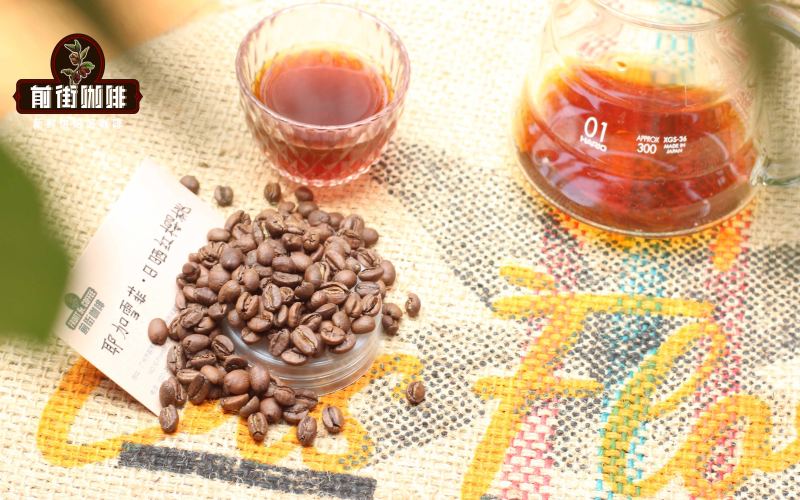
As a representative of Ethiopian specialty coffee, Yirgacheffe's G1 grade presents strikingly different flavor profiles depending on the processing method. Washed Yirgacheffe G1 is known for its bright style interweaving citrus and floral notes, while natural Yirgacheffe G1 overturns many people's preconceived notions of coffee with its rich fruity aroma and fermented quality. This article will comprehensively analyze the brewing key points of Front Street Yirgacheffe G1, from variety origin, grade classification, flavor characteristics to grinding and extraction, guiding you to appreciate the unique charm of "coffee enters the mouth, a hundred flowers bloom." [more…]
Yirgacheffe Washed vs. Natural Processing Methods: Flavor Characteristics and Grade Classification Comparison
Yirgacheffe, as one of the most representative coffee regions in Ethiopia, offers coffee beans with strikingly different flavor profiles depending on whether they are washed or natural processed. The washed method removes pectin through fermentation and rinsing, resulting in clean, bright acidity and soaring aromatics; the natural method keeps the whole fruit for a long, slow drying period, delivering intense fruity notes and a rich, syrupy body. This article systematically breaks down the core differences between these two processing methods from multiple angles—processing flow, flavor characteristics, and grading—and introduces the unique charm of Front Street G1 Yirgacheffe, helping coffee lovers gain a deeper understanding of Yirgacheffe's flavor code. [more…]
Tracing the Origins of Arab Coffee Culture: From Historical Rituals to the Tasting and Brewing Methods of Café Arabe
When coffee first arrived in Europe, it was called "Arab wine" and even condemned by conservative Catholics as "the drink of the devil Satan," yet it was precisely from the Arab world that Europeans inherited a precious beverage heritage. As the earliest region in the world to cultivate and drink coffee, Arabia's coffee culture is as ancient and profound as its history. Whether in coffee quality, drinking methods, or the ambiance and atmosphere of consumption, it still carries on a long-standing tradition and refinement. This article begins with the historical origins and hospitality etiquette of Arabian coffee, guiding you through rituals that resemble the Japanese tea ceremony—such as burning incense, appreciating vessels, and savoring aromas—and introduces the recipe and key preparation points for Café Arabe, an Arabian coffee with a modern twist. [more…]
Yirgacheffe Natural vs. Washed Processing Differences: A Guide to Pour-Over Parameters and Flavor Comparison
Yirgacheffe, as a star-producing region in Ethiopia, presents completely different flavor characteristics between its washed and natural processing methods. Washed Yirgacheffe is known for its bright acidity, citrus and floral notes, and full body, while the natural method brings intense fruity aromas and a rich, syrupy texture. This article will systematically compare the core differences between the two processing methods, from processing techniques, green bean appearance, and grade classification to actual brewing parameters, and provide the pour-over recipe recommended by Front Street Coffee. Whether you are a beginner just getting into specialty coffee or an enthusiast looking to refine your brewing skills, you will find practical reference information here. [more…]
Yirgacheffe Washed vs. Natural Processing Methods: Flavor Profiles, Green Bean Grades, and Taste Comparison
Ethiopia's Yirgacheffe is rightly regarded as a brilliant gem of the specialty coffee world, its delicate floral aromatics and citrus notes captivating countless coffee lovers. Yet coffee beans from the same Yirgacheffe region, when processed by two different methods—washed and natural—reveal entirely distinct flavor profiles. The washed method endows the coffee with bright, lively acidity and a clean mouthfeel, while the natural method brings rich, full-bodied fruit aromas and fermented wine-like notes. This article will dissect the core differences between Front Street Coffee's washed and natural Yirgacheffe products from three dimensions: green bean processing techniques, grading standards, and final cupping flavors, helping readers make more precise judgments when purchasing and tasting. [more…]
A Complete Analysis of Yirgacheffe Specialty Coffee Beans: Origin, Variety, Grade, Roast, Flavor, and Mouthfeel
Yirgacheffe is one of Ethiopia's most representative specialty coffee regions, renowned worldwide for its citrus notes, jasmine aroma, and delicate body. This article provides a systematic introduction to the unique flavor characteristics of Yirgacheffe coffee beans from the perspectives of the region's history, microclimate, processing methods, and grading system. The article notes that the first coffee trees were planted by European monks, and cultivation later shifted to farmers and cooperatives, with the region encompassing mountain villages such as Idido, Hafursa, Hama, and Biloya. Yirgacheffe is divided into two main categories by processing method: washed and natural. Under SCAA standards, washed grades are classified as Gr-1 and Gr-2, while natural grades range from Gr-1 to Gr-5. The high-quality Yirgacheffe recommended by Front Street Coffee originates precisely from specialty lots in these classic producing areas. [more…]
Front Street Yirgacheffe Guide: Flavor Profile, Processing Method Grades, and Pour-Over Grind Size by Region Explained
Yirgacheffe is one of Ethiopia's most iconic specialty coffee regions, and for many people it is practically the starting point of their journey into the world of specialty coffee. The Front Street Coffee Yirgacheffe series covers both natural and washed processing methods, each with its own distinctive flavor profile. This article will provide a comprehensive introduction to Front Street Coffee Yirgacheffe coffee beans from the perspectives of the region's background, grade classification, flavor performance under different roast levels, and the actual experience of grinding with a manual hand grinder, helping you gain a more systematic understanding of this bean's unique charm and brewing key points. [more…]
Ethiopia Washed Yirgacheffe Aricha G1: Origin Characteristics, Flavor Description, and Pour-Over Parameters
Yirgacheffe Aricha G1 is one of the flagship specialty coffees of Ethiopia, renowned for its flavors of sweet orange, cherry, and honey sweetness. This article provides a detailed introduction to its growing region information, the background of the Project Origin initiative, the washed processing workflow, and the pour-over brewing parameters recommended by Front Street Coffee. Whether you want to understand the washed and natural classifications of Yirgacheffe, or are looking for a coffee bean that combines fruity and floral notes, this article will offer you a comprehensive reference. [more…]
Yirgacheffe Coffee Flavor Profile, Processing Methods, Grades, Grinding and Brewing Key Points, and Production Region Introduction
Yirgacheffe is one of the most distinctive regions in specialty coffee, known for its citrus, floral, and tea-like notes. This article focuses on the characteristics, flavor descriptions, and mouthfeel of Yirgacheffe coffee, outlining the two major processing categories—washed and natural—along with their grade classifications. It also covers Front Street Coffee's Yirgacheffe roasting approach, grinding and brewing recommendations, and methods for adjusting your tasting experience. At the same time, it introduces the village-style garden cultivation and microclimate background, helping coffee enthusiasts more systematically understand why this bean is often described as "the moment coffee touches your lips, a hundred flowers bloom." [more…]
The Origin and Spread of Coffee: A Historical Journey from the Ethiopian Highlands to European Coffeehouses
The exact origin of coffee still has no definitive conclusion. The most widely circulated account points to the highlands of Kaffa Province in southwestern Ethiopia—where a shepherd noticed that his flock became unusually lively after eating a certain plant. Others believe it was only after a wildfire burned down a coffee forest that the roasted aroma drew people's attention. From initially chewing the fruit for stimulation and mixing ground coffee into flour to make "warrior bread," to boiling it in water as a beverage around 1000 AD, coffee has traveled a long road. In the 13th century, it spread with Ethiopian troops into Yemen and entered the Arab world, then passed through Turkey into Europe, and eventually was cultivated on a large scale in South America. After prices fell, it became a daily drink for Europeans. This article sorts out the key milestones in coffee's journey from its place of origin to global dissemination, helping coffee lovers understand the historical context behind this cup. [more…]
Yirgacheffe Natural vs. Washed Flavor Differences Explained: A Comprehensive Comparison of Three Coffee Processing Methods
Yirgacheffe, as a star-producing region in specialty coffee, has long been a hot topic among coffee lovers: the flavor differences brought about by its two processing methods, natural (dry) and washed. Starting from Front Street Yirgacheffe, this article breaks down in detail the processes and flavor characteristics of the three major coffee processing methods—washed, natural (dry), and honey—and compares their respective grading systems and cup profiles, helping readers gain a deeper understanding of how different processing methods shape coffee's aroma, acidity, and body. Whether you are a beginner just starting out or a seasoned enthusiast, you can gain a clear cognitive framework from it. [more…]
Yirgacheffe Coffee Flavor Profile and Taste Analysis: Origin, Variety, Grading, Processing, and Pour-Over Grind and Water Temperature Recommendations
Yirgacheffe is widely recognized by coffee enthusiasts around the world as a representative specialty region, famous for its citrus, jasmine aromas, and silky body. This article starts with the region's microclimate and garden cultivation model, explains in detail the grading standards of the two major processing methods—washed and natural—and also clarifies the flavor differences of Front Street Coffee's Yirgacheffe G1 series. At the same time, it provides practical brewing suggestions, including water temperature ranges, coffee-to-water ratios, and key points for using an AeroPress, helping readers build a complete understanding of Yirgacheffe from beginner to advanced. [more…]
Yirgacheffe Washed vs. Natural Processing Methods Explained: Flavor Characteristics and Front Street Specialty Bean Brewing Guide
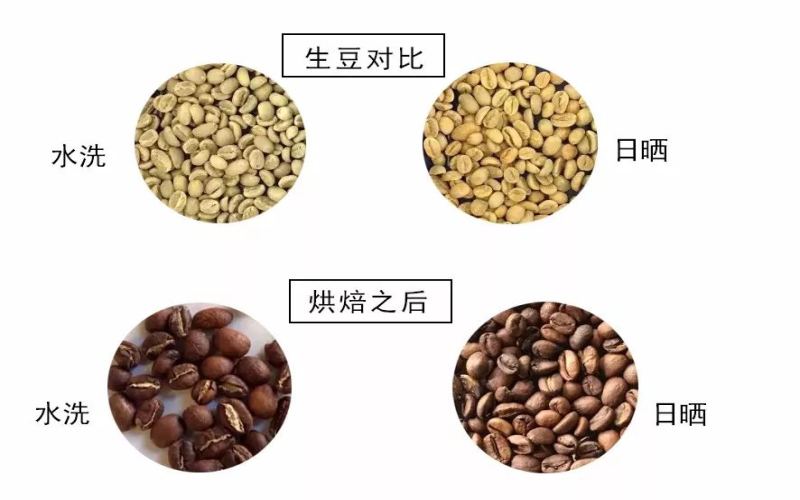
Yirgacheffe, as a star-producing region in Ethiopia, has always been a hot topic among coffee enthusiasts for the flavor differences between its washed and natural processing methods. The washed method centers on removing the skin and pulp, then rinsing with clean water and drying, resulting in clean, stable quality and bright floral notes; the natural method keeps the whole fruit for a long, slow drying process, giving the beans rich fruity aromas and a fuller body. This article will take a deep dive into the essential differences between the two processing methods, citing specific products such as Front Street Yirgacheffe, Front Street Guding, and Front Street Red Cherry to explain how to choose coffee beans based on flavor preferences, while also offering brewing parameter suggestions to help you easily brew a cup of coffee you love. [more…]
Ethiopia Yirgacheffe Aricha: A Full Analysis of Washed G1 Grade Classification and Cupping Flavor
Yirgacheffe is one of Ethiopia's most iconic specialty coffee regions, and the washed G1 produced by the Aricha processing station stands out as one of its finest examples. This article systematically traces the story of this coffee, from the region's background and the Project Origin initiative to the green bean grading standards and the full washed processing workflow. It also includes Front Street Coffee's recommended pour-over parameters for Yirgacheffe, helping coffee enthusiasts gain a more complete understanding of every step of a washed Yirgacheffe from seed to cup, and to savor the classic flavor woven from sweet orange, cherry, and honey. [more…]

Front Street Yirgacheffe Natural Aricha G1 Coffee Bean Flavor Analysis and Brewing Suggestions
Yirgacheffe is one of Ethiopia's most representative specialty coffee regions, and the naturally processed Aricha G1 is among its most sought-after lots. This article focuses on Front Street Coffee's Ethiopia Yirgacheffe Red Cherry G1, outlining its regional background, grade classification, processing method, and flavor characteristics, while also introducing the origin story behind the Project Origin green coffee project. The article also breaks down the key tasting points and everyday brewing approaches for naturally processed Yirgacheffe, helping coffee enthusiasts gain a more comprehensive understanding of this bean's appeal. Whether you prefer bright acidity or are drawn to rich berry notes, you'll find useful information here. [more…]
Analysis of the Differences Between Washed and Natural Processing Methods for Yirgacheffe and Key Brewing Points for Natural Beans
Yirgacheffe, as Ethiopia's most representative specialty coffee region, presents radically different flavor profiles depending on whether the washed or natural processing method is used. The washed method, by removing the skin and pulp and rinsing with clean water, delivers a clean and transparent floral and citrus character; the natural method, by keeping the whole fruit intact for extended drying, endows the beans with an intense tropical fruit fermentation quality and fuller body. This article systematically sorts out the process differences and grade classifications of the two processing methods, and, combined with Front Street Coffee's specific Yirgacheffe products, shares practical brewing parameters and tasting experiences for natural beans, helping coffee lovers more clearly understand and choose the cup that suits their own taste. [more…]